
Sydney fire safety is more than simply checking boxes. At the core of the program is the Annual Fire Safety Statement (AFSS) the document which not only meets the legal requirements, but also shows an owner’s commitment to security and accountability. In conjunction with the Fire Safety Certificate, the AFS is the base of a structured system that ensures the safety of the building’s occupants, reassures insurers, and assures councils of the structures of their city.
Why the Annual Fire Safety Statement Exists
The requirement for an Annual Fire Safety Statement Sydney was not originally designed to be an exercise on paper. Systems for protecting against fire are only effective if they’re regularly maintained checked, tested and certified. You may think that a sprinkler set up in the past 10 years is functioning well, but it won’t function in a crisis when the system hasn’t been examined.
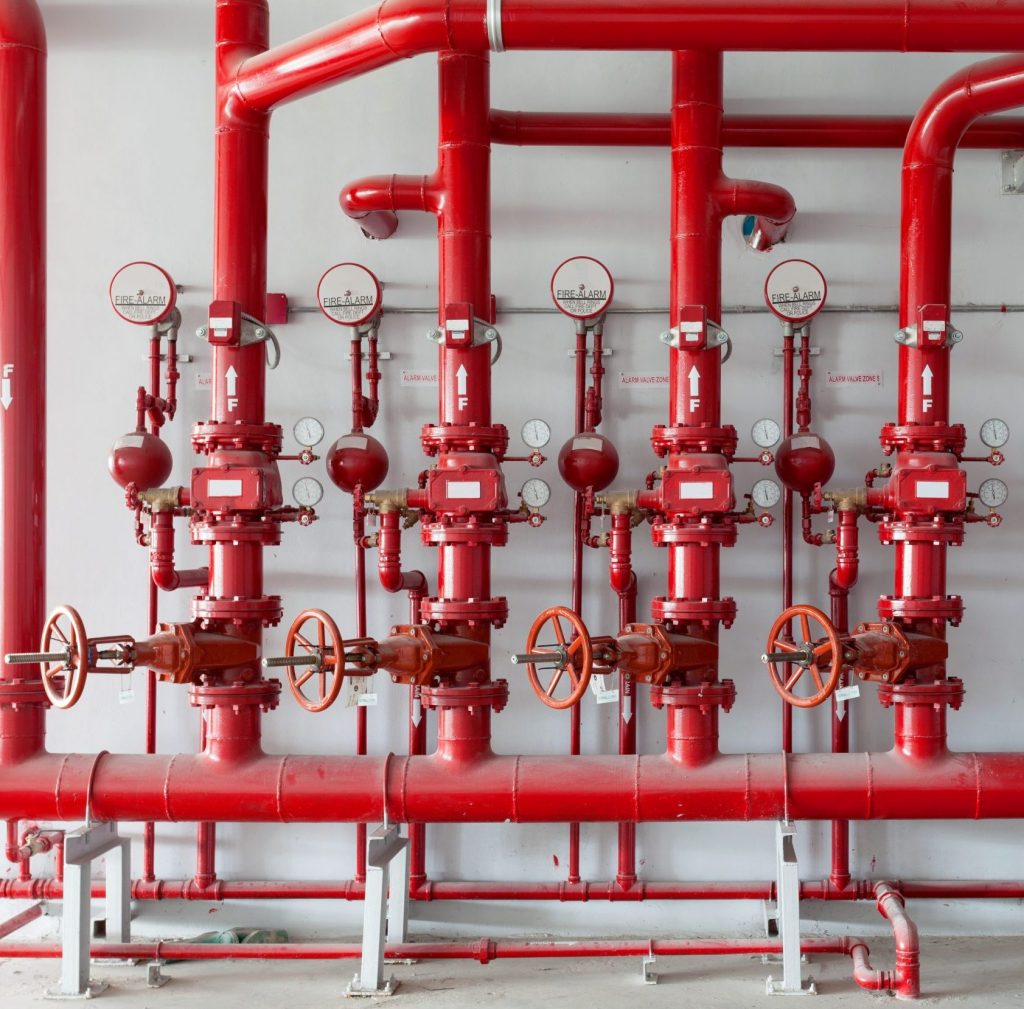
The AFSS requires that property owners must prove, at minimum every year, that their fire protection measures, ranging from alarms to hydrants, to lighting for exits, meet the original standards established by the Building Code of Australia. The AFSS is more than an inspection, but rather a publicly-proclaimed declaration of the security and resiliency of the structure in the in the event of a major catastrophe.
The difference between AFSS Certificates and Fire Safety Certificates
The Fire Safety Certificate and the Annual Statement can be misunderstood by owners, but they serve distinct purposes. The certificate is issued when a new system is installed or when major changes are made. It demonstrates that the latest measures comply with regulations before an apartment or tenancy building can be leased. The AFSS is, on the contrary however, will be issued later. It’s a responsibility that is repeated which proves that the same systems remain in compliance with the requirements each year following the installation.
They create a protection cycle when they’re combined: certificates prove that the security systems were properly installed, and the annual statements verify that the systems are maintained over the lifetime of a building. Failure to complete either of these steps weakens the entire system of protection.
The Responsibility Placed on Building Owners
In New South Wales, the AFSS procedure is unique in the sense that the owner of the property bears the final responsibility. The AFSS doesn’t have a list of defects that can be classified unlike other forms in which they are categorized as minor or serious. Even if a particular measure is unsuccessful the whole report will be invalid.
Owners are required to be proactive. To keep deadlines in mind, they should schedule inspections, engage accredited professionals, schedule repairs, and provide documents to the council. The strata councils and landlords of commercial properties are also responsible for coordinating with tenants, contractors, insurers. This structure, although difficult, is designed to ensure that safety isn’t impaired or delayed.
The Impact of the Broader AFSS in Sydney
The AFSS isn’t just about compliance with the law. It has more broader implications. Tenants are often interested in a building’s current safety statement before deciding to lease space. Likewise, insurers typically require a copy before finalizing coverage. A current Annual fire safety statement can therefore influence the value of the property as well as tenant confidence and even premiums for insurance.
Councils can be reassured that the thousands of Sydney buildings are monitored regularly. Fire authorities will be able to reduce risks by ensuring that systems work in real emergencies. The AFSS isn’t just about safeguarding structures. It is also about making the city safer in general.
Conclusion: AFSS is a Standard of Trust
It may appear as a burden for bureaucrats, but the annual Fire Safety Statement Sydney is actually an assurance standard. It is a proof that fire safety is not left to chance, that equipment is reliable, and that owners accept the responsibility of safeguarding the residents of their premises. It’s a component of a system that tests the construction and the effectiveness of crucial security measures.
For property owners, the lesson is clear: the AFSS is more than an annual deadline. It’s a commitment to the community’s trust as well as accountability and safety. The AFSS is a valuable asset in Sydney’s rapidly growing urban landscape in which thousands of residents depend on reliable and secure buildings.